Therapy for Creatives in New York
Virtual psychotherapy for writers, artists, and performers
Working With Creative People
Everyone is creative – whether it’s your profession or a vital source of your meaning, joy, or self-expression. Perhaps you feel this part of yourself was hammered out at an early age, leaving you longing to reconnect with it.
If you’re a creative person — whether professionally or as a key part of your identity — you may be used to feeling deeply, observing closely, and thinking in layered ways, yet still struggle to feel grounded, connected, or at ease in your relationships or inner life.
I work with writers, artists, performers, filmmakers, and other creative-minded individuals who are seeking therapy that can hold nuance, ambivalence, and emotional depth. I offer private-pay, out-of-network virtual therapy to creative adults and couples throughout New York City and New York State.
Many people come to therapy not because something is “wrong,” but because something feels stuck, conflicted, or hard to articulate — in their work, their relationships, or their sense of self.
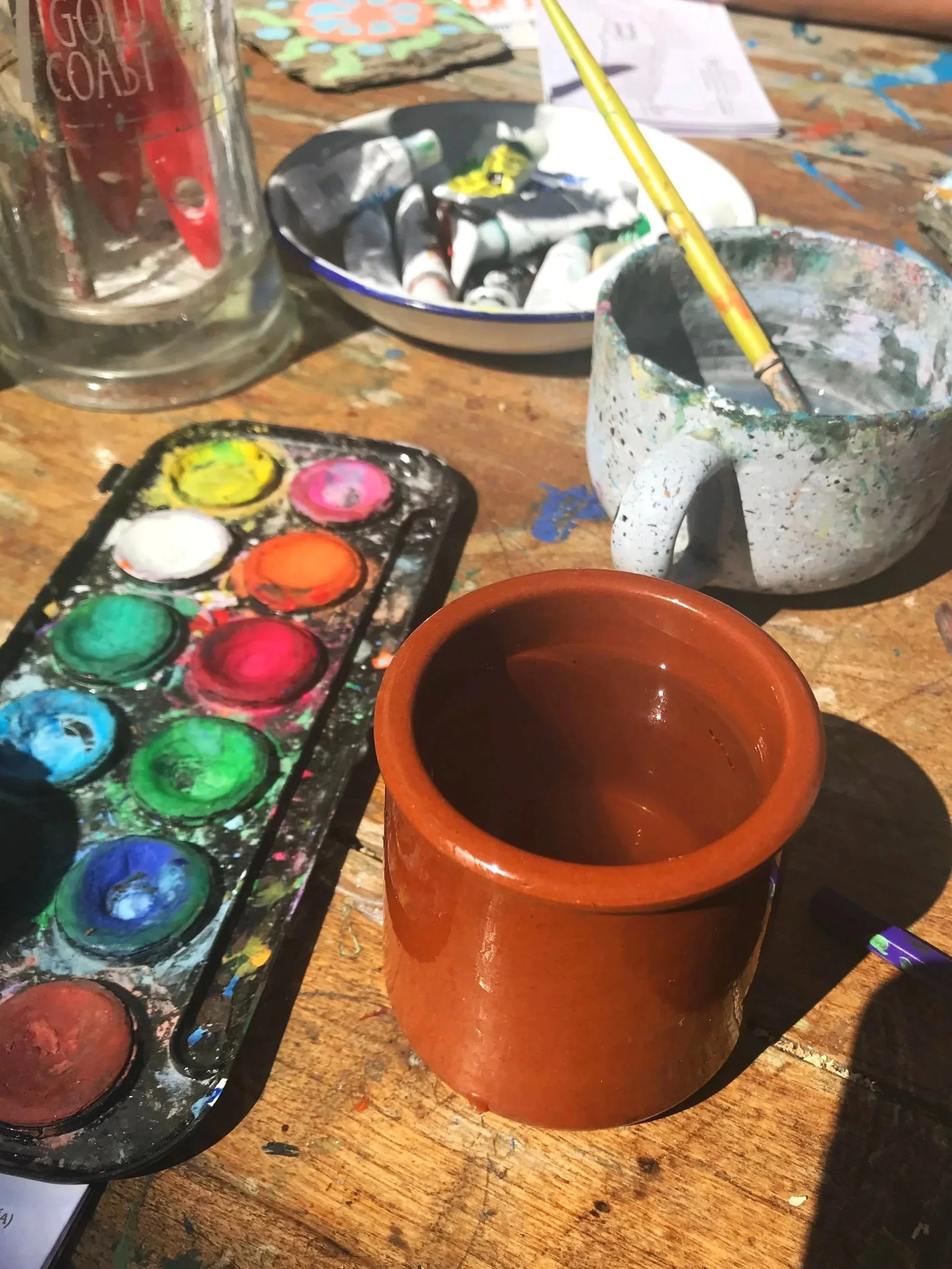
Common Reasons Creatives Seek Therapy
Creative work can be deeply fulfilling, but it can also bring up vulnerability, comparison, and self-criticism. While some people seek therapy because creativity is absent, others want help because their creativity feels blocked, fraught, or bound up with shame, fear, or perfectionism. Therapy can be especially helpful if you’re:
Feeling blocked, stalled, or disconnected from your creative work
Struggling with perfectionism, self-criticism, or fear of being seen
Grappling with impostor feelings or questions of legitimacy
Navigating identity questions tied to success, failure, or visibility
Feeling lonely, misunderstood, or emotionally overextended
Experiencing relationship difficulties shaped by sensitivity, ambition, or irregular schedules
Struggling with body image concerns shaped by comparison, evaluation, or performance
Often, these struggles aren’t just about creativity itself, but about longstanding relational patterns and beliefs about worth, safety, and being seen.
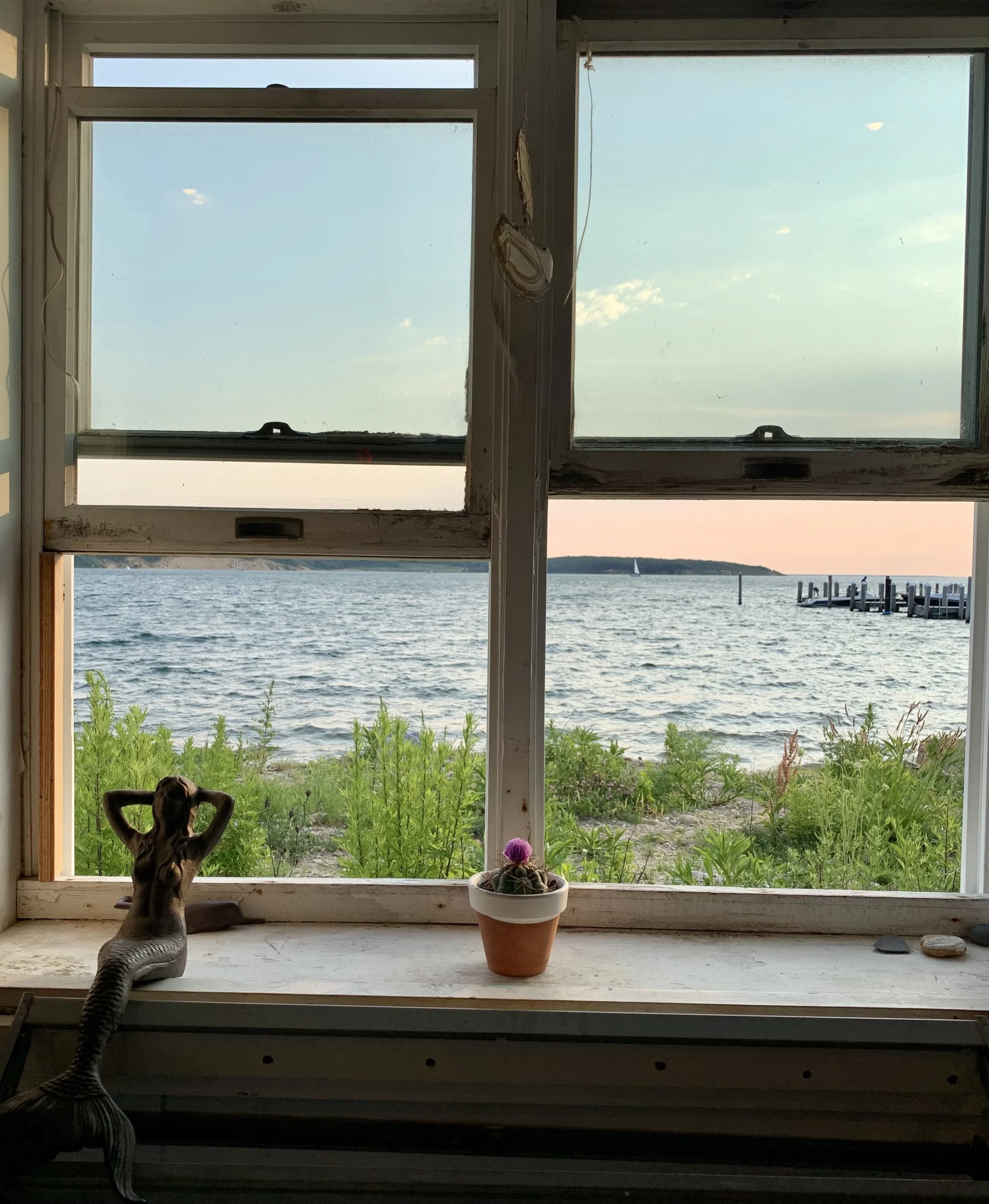
Why I Understand the Creative Life
I’m a writer and former journalist, and storytelling remains central to how I understand people. I was drawn to psychotherapy because I found I cared less about telling people’s stories for publication and more about listening deeply and helping people understand their own inner lives.
I also bring personal experience as a performer. I trained as a dancer and singer and attended Fiorello H. LaGuardia High School of Music & Art and Performing Arts, where I experienced firsthand the emotional demands of creative training — including visibility, critique, and the pressure to perform. These experiences inform how I work with creatives today, particularly around perfectionism, self-criticism, body image, and the fear of being seen, and give me insight into how creativity lives in both the body and mind.
How Therapy Can Support Creative Life
My work is psychodynamic, relational, and insight-oriented. Rather than offering techniques to “fix” creative problems, we explore the emotional and relational patterns that shape how you create, relate, and experience yourself.
I’m often interested in how people learn to stay connected to their values, desires, and creative instincts — what psychoanalytic writers sometimes call the true self — especially in environments that reward adaptation, productivity, or perfection.
I work with people at many stages of their creative lives, including those whose work is more public, and I’m attentive to how visibility, pressure, and expectation can shape both creativity and self-worth.